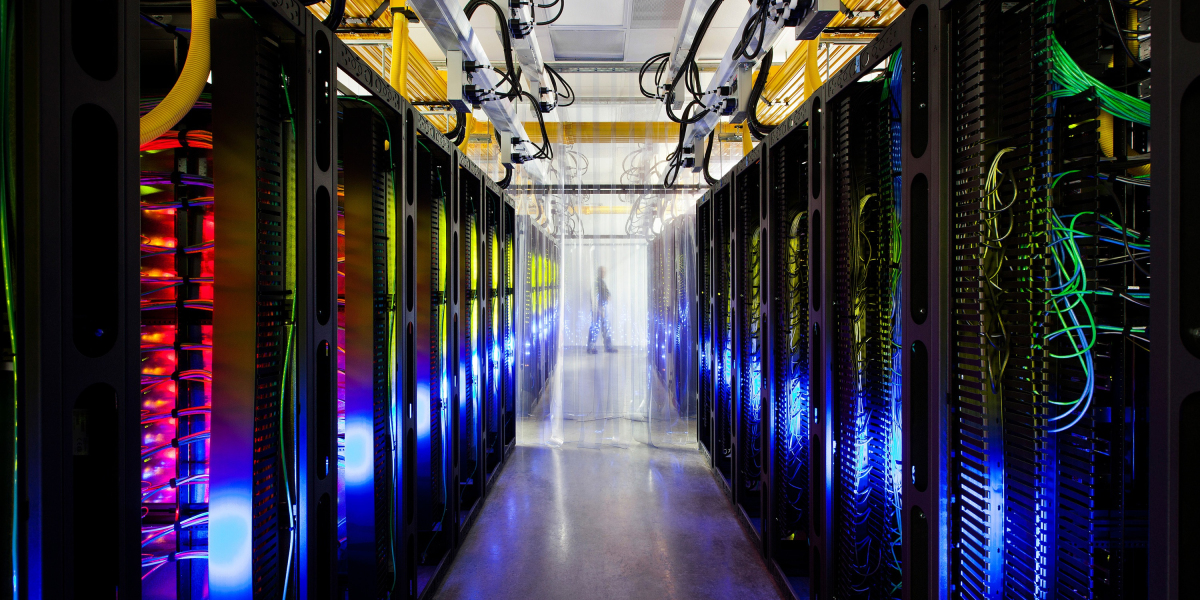
Network virtualization has a significant impact on data center efficiency and management by enhancing flexibility, resource utilization, scalability, and overall operational control. Here's how network virtualization influences these aspects:
Resource Utilization and Efficiency:
Network virtualization allows the creation of virtual networks that are decoupled from the physical infrastructure. This enables better utilization of network resources, as multiple virtual networks can coexist on the same physical infrastructure without conflicts. This maximizes the use of available bandwidth and hardware resources, leading to improved efficiency and reduced resource wastage.
Scalability:
Virtualizing the network makes it easier to scale up or down based on demand. New virtual networks can be created quickly without the need for extensive physical network modifications. This flexibility allows data centers to accommodate changing workloads and applications more efficiently, leading to optimized resource allocation and improved performance.
Isolation and Security:
Network virtualization provides enhanced isolation between different virtual networks. This isolation enhances security by preventing unauthorized access and potential attacks from one virtual network to another. It becomes easier to enforce security policies and segmentation, making data center management more secure.
Network Management:
With network virtualization, data center administrators can manage and configure virtual networks through software interfaces. This centralizes management and reduces the need for manual hardware configurations. This, in turn, simplifies network administration, reduces the risk of configuration errors, and enables rapid provisioning of network services.
Multi-Tenancy Support:
Network virtualization allows multiple tenants or users to have their isolated virtual networks within the same physical infrastructure. This enables service providers to offer services to multiple customers while maintaining network separation, leading to efficient utilization of resources and simplified management of customer environments.
Reduced Downtime and Maintenance:
Network virtualization enables live migration of virtual machines and network components. This means that maintenance tasks, such as hardware upgrades or network changes, can often be performed without disrupting ongoing operations. This leads to reduced downtime and improved data center availability.
Disaster Recovery and Business Continuity:
Network virtualization facilitates the creation of backup copies of virtual networks and their associated services. In the event of a failure, virtual networks can be quickly restored, improving disaster recovery capabilities and minimizing service interruptions.
Application Mobility:
Virtualized networks can follow applications as they move between servers or data centers. This ability to move virtual networks along with applications enables better load balancing, fault tolerance, and improved application performance.
Cost Savings:
By abstracting the network layer from physical hardware, data centers can achieve cost savings by reducing the need for dedicated networking hardware for each application or tenant. This also leads to simplified hardware provisioning and management.
In summary, network virtualization significantly enhances data center networking efficiency and management by enabling better resource utilization, scalability, security, and ease of management. It empowers administrators to respond to changing demands more effectively, while also reducing operational complexities and costs.