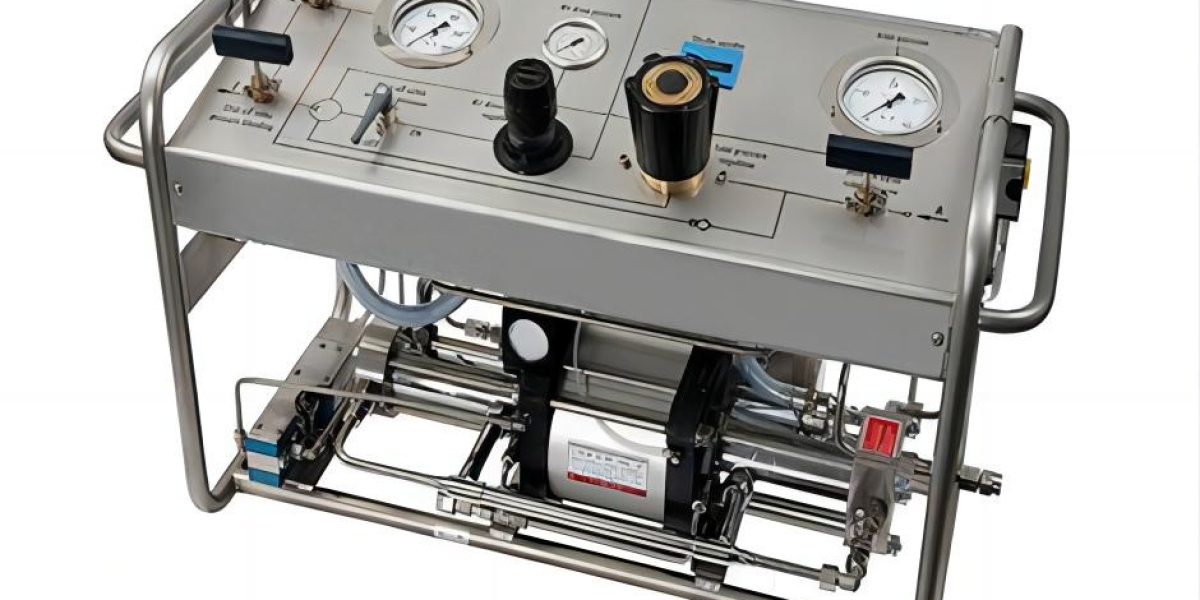
Key Components of an Oxygen Booster Pump
Key components of an oxygen booster pump include the air/oxygen inlet, compression chamber, pistons/diaphragms, cylinder/pressure vessel, intake and exhaust valves, drive mechanism, cooling system, pressure relief valve, pressure gauges, filtration system, seals/gaskets, control system, and outlet connection. These parts collaborate to efficiently and safely increase the pressure of oxygen for diverse applications.
How Does an Oxygen Booster Pump Work?
An oxygen booster pump operates by using mechanical means to increase the pressure of incoming low-pressure oxygen or air to a higher desired level. Here's how it works:
1. Intake and Compression: The pump draws in low-pressure oxygen or air from the inlet. Inside the compression chamber, either pistons or diaphragms create a confined space. As these components move, the gas volume decreases, leading to compression. This process raises the pressure of the gas.
2. Valves Regulation: Intake and exhaust valves control the flow of gas into and out of the compression chamber. During the compression stroke, the intake valve opens to allow gas in, while the exhaust valve remains closed to prevent backflow.
3. Pressure Increase: The repetitive movement of pistons or diaphragms continues to compress the gas, progressively increasing its pressure within the compression chamber.
4. Cooling: The compression process generates heat, which can be harmful. A cooling system dissipates this heat, preventing overheating and ensuring safe operation.
5. Pressure Monitoring: Pressure gauges provide real-time pressure readings, allowing operators to monitor and adjust the compression process to achieve the desired pressure level accurately.
6. Pressure Relief: A pressure relief valve ensures that the gas doesn't exceed safe pressure limits. If pressure becomes too high, the valve releases excess gas, preventing over-pressurization.
7. Outlet Discharge: Once the desired pressure is achieved, the high-pressure oxygen is discharged through the outlet connection, ready for distribution or storage.
By following these steps, an oxygen booster pump efficiently increases the pressure of oxygen or air, catering to diverse applications like medical facilities, industrial processes, and more. It ensures a reliable supply of high-pressure oxygen while adhering to safety standards.
Safety Measures Should Be Taken when Operating an Oxygen Booster Pump
Because of the nature of handling high-pressure gases, safety is paramount when operating an oxygen booster pump. Consider the following critical safety precautions:
1. Leak Detection: Regularly inspect the pump and connections for leaks using appropriate leak detection methods like soap bubbles.
2. Emergency Procedures: Have clear and accessible emergency shutdown procedures. Ensure all operators know how to stop the pump in case of an emergency quickly.
3. Gas Purity: Ensure that the oxygen being compressed is of high purity and free from contaminants that could lead to unsafe conditions.
4. Cooling System: Monitor the cooling system to prevent overheating. Adequate cooling is essential to maintain safe operating temperatures.
5.No Smoking: Prohibit smoking in the area where the pump is operated, as oxygen-rich environments increase fire risks.
6. Regular Maintenance: Follow a routine maintenance schedule to inspect, clean, and service the pump components. Well-maintained equipment is less likely to malfunction.
Conclusion
The oxygen booster pump is critical in many sectors due to its consistent high-pressure oxygen delivery. It is crucial in medical treatment, industrial operations, aerospace, research, and emergency situations. It contributes significantly to healthcare, manufacturing, and scientific developments by improving processes, assuring safety, and supporting important applications.
Have any interests? Contact us.