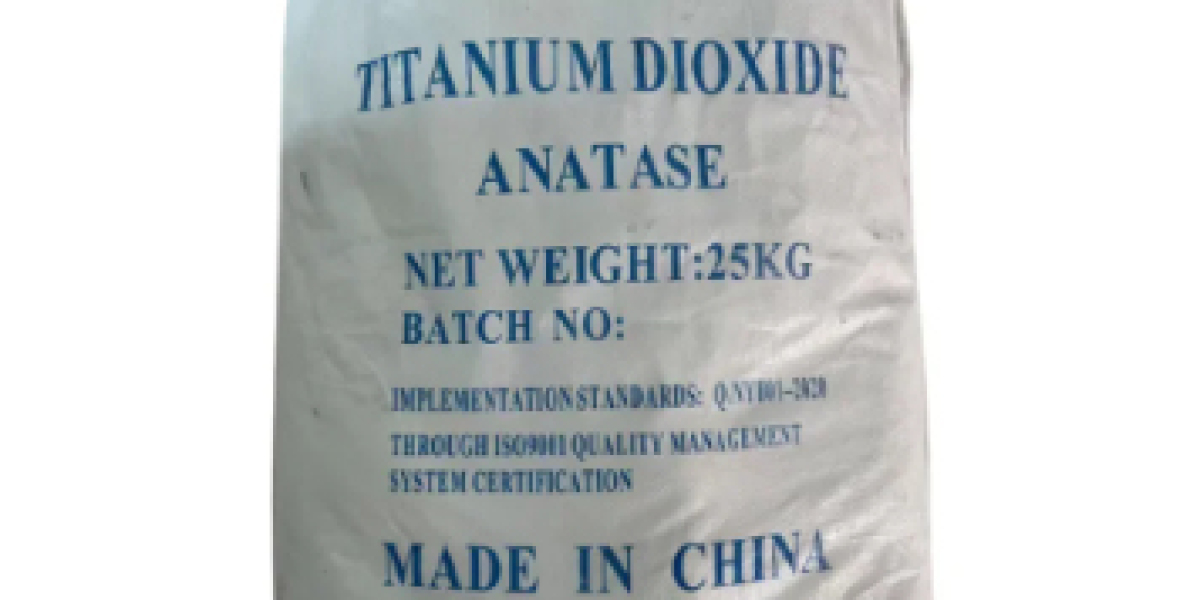
Welcome to our blog post on an intriguing topic: Is anatase titanium dioxide pure titanium? If you're curious about the world of materials and their properties, then you're in for a treat! Titanium dioxide is a versatile compound that plays a crucial role in various industries. But what makes anatase titanium dioxide stand out from the rest? Join us as we dive into the fascinating world of this unique form of titanium dioxide and explore its purity, benefits, and potential drawbacks. So let's get started on this enlightening journey!
What is titanium dioxide?
Titanium dioxide, also known as TiO2, is a naturally occurring compound that has captured the attention of industries worldwide. It is an oxide of titanium and has various applications due to its unique properties.
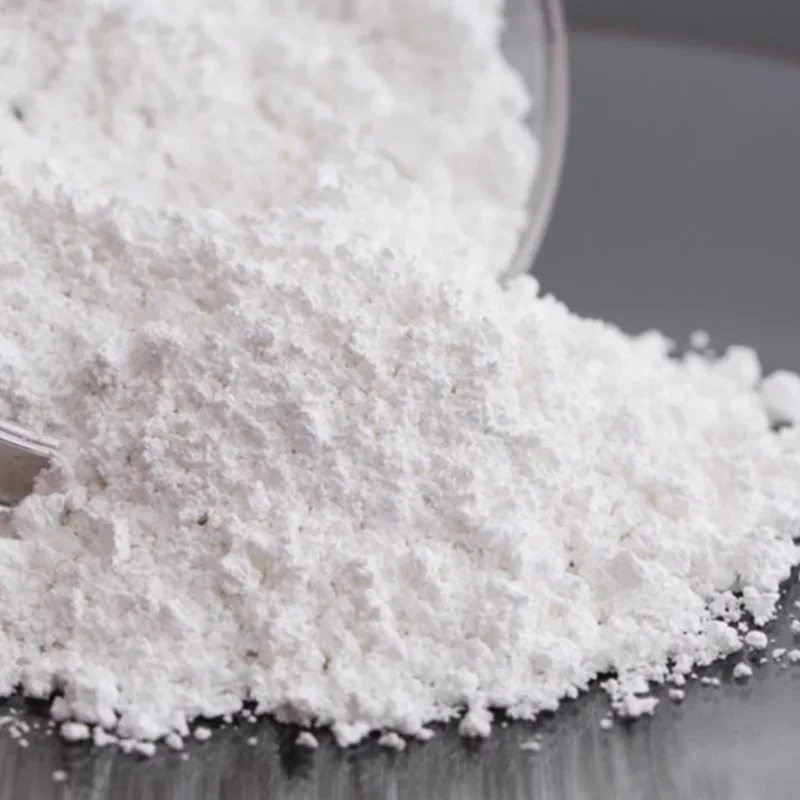
One of the remarkable characteristics of titanium dioxide is its exceptional whiteness. In fact, it's one of the whitest materials available! This makes it highly desirable in products such as paints, coatings, and cosmetics where brightness plays a vital role.
Apart from its brilliant white color, titanium dioxide also possesses excellent opacity. This means it can effectively block or scatter light, making it ideal for use in sunscreens and other UV-blocking products.
Another interesting aspect of this compound is its photocatalytic activity. Certain forms of titanium dioxide have the ability to harness sunlight to initiate chemical reactions on their surface. This property finds application in self-cleaning surfaces and air purification systems.
Furthermore, titanium dioxide exhibits high stability under extreme conditions like high temperatures and strong acids or bases. This durability allows it to be used in a wide range of industrial processes without compromising its performance.
Titanium dioxide is a fascinating compound with diverse applications ranging from paints and coatings to sunscreens and self-cleaning surfaces. Its whiteness, opacity, photocatalytic activity,and stability make it an indispensable ingredient in numerous industries around the world!
What are the different types of titanium dioxide?
Titanium dioxide is a versatile compound that finds its application in various industries. When it comes to different types of titanium dioxide, there are mainly three: rutile, anatase, and brookite.
Rutile titanium dioxide is the most commonly used form. It has excellent UV light absorption properties and high refractive index, making it ideal for use in sunscreens, paints, and coatings. Its stability also makes it suitable for outdoor applications.
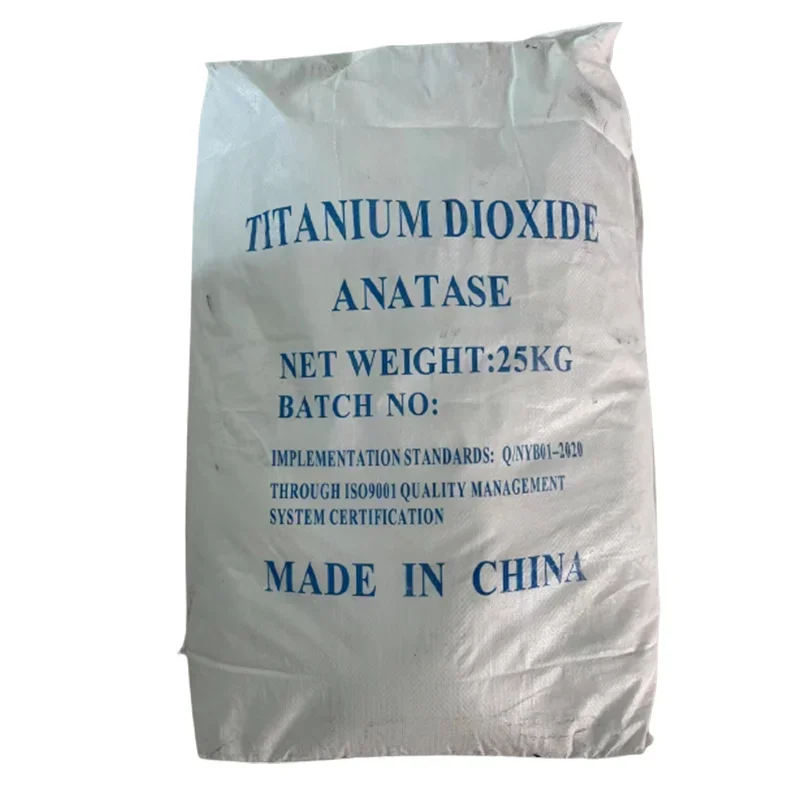
Anatase titanium dioxide is another popular type. It has a smaller particle size compared to rutile and offers better whiteness and brightness characteristics. This makes it preferable for use in cosmetics, food coloring agents, paper products, and certain catalysts.
Brookite titanium dioxide is the least common form commercially available. It possesses a unique crystal structure but has limited industrial applications due to its scarcity.
Each type of titanium dioxide has its own advantages when applied in specific industries or products. Hence, understanding the differences between these types helps manufacturers choose the right one based on their requirements.
How pure is anatase titanium dioxide?
Anatase titanium dioxide is a form of titanium dioxide that is known for its high purity. But just how pure is it exactly? Let's delve into the specifics.
To understand the purity of anatase titanium dioxide, it's important to know what it actually is. Anatase titanium dioxide is a crystalline form of titanium dioxide, which occurs naturally but can also be produced synthetically. It has a distinct crystal structure and unique properties that make it desirable for various applications.
In terms of purity, anatase titanium dioxide can be up to 99% pure. This means that most impurities are removed during the manufacturing process, resulting in a highly refined product. The remaining 1% typically consists of trace elements or other forms of titanium oxide.
The high level of purity in anatase titanium dioxide offers several advantages. It enhances the optical properties, making it ideal for use in pigments and coatings. It provides excellent coverage and color stability when applied to different surfaces.
Additionally, the high purity contributes to its photocatalytic activity and makes it suitable for use in solar cells and self-cleaning surfaces. Its ability to absorb UV light effectively helps protect materials from degradation caused by sunlight exposure.
While anatase titanium dioxide boasts impressive levels of purity, there may still be some drawbacks worth considering. One potential concern relates to its relatively lower stability compared to other forms such as rutile titanium dioxide under certain conditions.
Furthermore, due diligence must be exercised when handling anatase titanium dioxide nanoparticles since their small size can potentially pose health risks if not properly controlled or managed.
In conclusion (without explicitly stating "in conclusion"), anatase titanium dioxide exhibits remarkable levels of purity ranging up to 99%. Its high degree of refinement enables superior performance in various applications while offering noteworthy benefits like enhanced optical properties and photocatalytic activity.
What are the benefits of anatase titanium dioxide?
Anatase titanium dioxide offers a range of benefits that make it a popular choice in various industries.
First and foremost, anatase titanium dioxide is known for its excellent UV resistance. This makes it highly suitable for use in sunscreens, where it helps to protect the skin from harmful UV rays. Additionally, its UV-resistant properties also make it ideal for use in outdoor paints and coatings, as it can help prevent fading and cracking caused by prolonged exposure to sunlight.
Furthermore, anatase titanium dioxide has exceptional optical properties, including high brightness and opacity. These characteristics make it commonly used as a pigment in paints, plastics, and paper products. Its bright white color not only enhances the visual appeal of these materials but also provides excellent coverage and hiding power.
Moreover, anatase titanium dioxide is chemically stable and inert. It does not react with other substances or undergo significant changes when exposed to heat or light. This stability ensures that products containing anatase titanium dioxide maintain their integrity over time.
An additional benefit of anatase titanium dioxide is its low toxicity profile. It has been extensively tested and deemed safe for use in various applications such as cosmetics, food additives, pharmaceuticals, and even toothpaste.
The numerous benefits offered by anatase titanium dioxide highlight why it is widely utilized across different industries today
Are there any drawbacks to anatase titanium dioxide?
Anatase titanium dioxide, while widely used and highly beneficial, is not without its drawbacks. One potential drawback of anatase titanium dioxide is its susceptibility to photocatalytic activity. This means that when exposed to sunlight or other forms of light, it can generate reactive oxygen species which may have harmful effects on the environment.
Another drawback is its lower stability compared to other forms of titanium dioxide such as rutile. Anatase titanium dioxide tends to be more prone to degradation over time, especially when exposed to high temperatures or acidic conditions. This can limit its effectiveness in certain applications where durability and longevity are important factors.
Additionally, anatase titanium dioxide has a relatively higher surface area compared to other types of titanium dioxide. While this may seem like an advantage for some applications, it can also lead to increased reactivity with other chemicals or substances present in the environment. This heightened reactivity can sometimes result in unintended reactions or interactions that may affect the desired performance of products containing anatase titanium dioxide.
It's worth noting that these drawbacks are not necessarily deal-breakers for using anatase titanium dioxide. Many industries still find great value in utilizing this form of titanium dioxide due to its unique properties and benefits. However, it's important for manufacturers and users alike to consider these limitations and make informed decisions based on their specific needs and requirements.
In conclusion:While there are some drawbacks associated with anatase titanium dioxide, such as photocatalytic activity and decreased stability compared to rutile, these limitations should be carefully weighed against the numerous benefits this type of pigment offers. By understanding the characteristics and potential limitations of anatase titanium dioxide, manufacturers can make informed choices about incorporating it into their products while ensuring optimal performance and compatibility with intended applications.
Conclusion
Anatase titanium dioxide is a type of titanium dioxide that offers numerous benefits across various industries. It is known for its high purity level and excellent photocatalytic properties. However, it's important to note that anatase titanium dioxide does have some drawbacks, such as lower stability in certain conditions.
Despite these drawbacks, anatase titanium dioxide continues to be widely used in applications ranging from paints and coatings to cosmetics and food products. Its ability to provide enhanced whiteness, opacity, UV protection, and self-cleaning properties makes it a valuable ingredient in many formulations.With ongoing research and advancements in manufacturing techniques, this remarkable material promises even more exciting possibilities in the future.
Wuxi CHTI New Material Co., Ltd. was established in 2015. It is a professional company mainly engaged in titanium dioxide. It has established long-term and stable cooperative relations with many domestic titanium dioxide manufacturers and has become a complementary partner. The main products are high-grade rutile, anatase, titanium dioxide enamel, and the extended products are vanadium and ferrous sulfate. Widely used in coatings, plastics, inks, paper, brake pads, enamel, welding materials, steel, metallurgy, sewage treatment, new energy batteries and other fields.Whether you're looking for a versatile pigment or seeking innovative solutions for environmental remediation projects, anatase titanium dioxide remains a top choice. If you need,welcome to contact.[email protected]