Welcome to the world of architecture and construction, where innovation meets aesthetics! Today, we're diving into the fascinating realm of unitized curtain walls. These sleek and streamlined structures have become a game-changer in modern building design, revolutionizing the way we construct striking facades with efficiency and style.
Forget about traditional methods that involve painstakingly installing individual components on-site. With unitized curtain walls, architects and builders can now seamlessly assemble large pre-fabricated panels off-site before swiftly attaching them to the building's framework. It's like putting together a giant puzzle - but one that results in a stunning masterpiece that enhances both functionality and visual appeal.
So grab your hard hat as we explore the benefits, installation process, different types, and why unitized curtain walls are taking the construction industry by storm!
What is a unitized curtain wall?
A unitized curtain wall is a modern architectural system that consists of large, pre-fabricated panels called "units" or "modules." These units are typically made up of multiple components, such as glass panes, aluminum frames, and insulation materials. The key characteristic that sets unitized curtain walls apart from traditional systems is the fact that these panels are assembled off-site in a controlled factory environment.
By constructing the curtain wall elements away from the construction site, builders can ensure higher precision and quality control. This approach also allows for faster installation on-site since the units can be quickly attached to the building's structural framework. Additionally, unitized curtain walls offer improved thermal efficiency and soundproofing capabilities compared to traditional methods.
The modular nature ofunitized curtain wallsprovides architects with greater design flexibility. They can incorporate various shapes, sizes, and finishes into their designs while maintaining uniformity throughout the building faade. Moreover, this system allows for easier maintenance and replacement of individual modules if needed.
A unitized curtain wall is an innovative solution that revolutionizes building facades by streamlining construction processes while enhancing both functionality and aesthetics. Its prefabricated nature offers numerous benefits in terms of speed, quality control, durability,and design possibilities.

The benefits of a unitized curtain wall
The benefits of a unitized curtain wall are numerous and significant. First and foremost, it offers streamlined construction processes. The panels are pre-fabricated off-site, allowing for faster installation on-site. This not only saves time but also reduces labor costs.
Additionally, unitized curtain walls enhance the aesthetics of a building. With their sleek and modern design, they can transform the appearance of any structure. They come in various finishes and colors, providing architects with immense design flexibility.
Unitized curtain walls also offer excellent thermal performance. Their advanced insulation systems help to minimize heat transfer, resulting in energy efficiency and reduced heating/cooling costs for the building owner.
Another benefit is improved acoustics. Unitized curtain walls have soundproofing properties that reduce noise transmission from outside sources into the building interior.
Furthermore, these curtain walls provide enhanced weather resistance. With their integrated moisture barriers and weather seals, they effectively protect against wind-driven rain and other environmental elements.
Moreover, unitized curtain walls require minimal maintenance due to their durable materials such as aluminum or steel frames combined with high-quality glass panels.
In conclusion,the use of a unitized curtain wall brings numerous benefits including streamlined construction processes,enhanced aesthetics,excellent thermal performance,improved acoustics,enhanced weather resistance,and minimal maintenance requirements.
These advantages make them an attractive choice for architects, contractors, and building owners alike.
How to install a unitized curtain wall
Installing a unitized curtain wall may seem like a complex task, but with proper planning and execution, it can be streamlined and efficient. Here are the key steps involved in installing a unitized curtain wall.
It is crucial to ensure that the building structure is ready to support the weight of the curtain wall system. Any necessary structural modifications should be made before installation begins.
Next, each unitized panel needs to be lifted into place using cranes or other appropriate lifting equipment. These panels are typically pre-assembled off-site, which helps to minimize on-site construction time.
Once in position, the panels are secured together using specially designed clips or brackets. The connections between panels must be watertight and structurally sound to ensure durability and performance.
In addition to securing the panels together, sealant is applied at joints and perimeter areas to provide further protection against air infiltration and water penetration.
Quality control measures should be implemented throughout the installation process. This includes checking for any defects or damage in the units as well as verifying proper alignment and fit of each panel.
By following these guidelines, installing a unitized curtain wall can proceed smoothly while ensuring optimal functionality and aesthetics for your building project.
The different types of unitized curtain walls
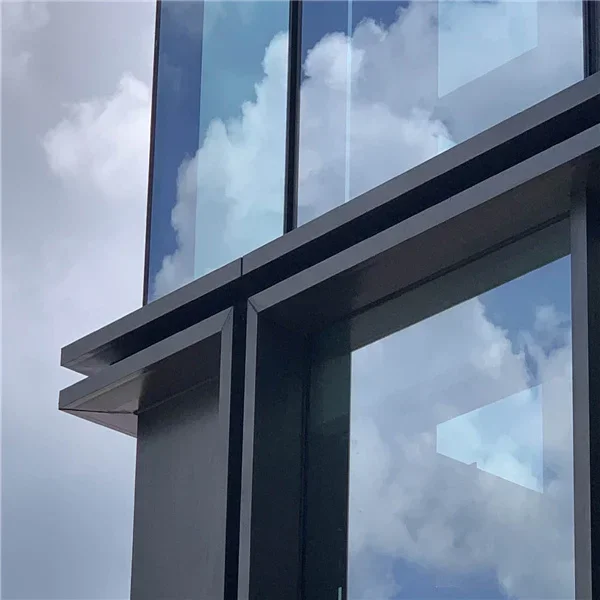
There are various types of unitized curtain walls available in the market, each offering its own unique features and benefits. One type is the stick-built curtain wall, which involves assembling individual components on-site. This method allows for more flexibility in design but requires longer installation time.
Another type is the semi-unitized curtain wall, where pre-fabricated units are combined with field-assembled components. This approach strikes a balance between cost and customization.
On the other hand, fully unitized curtain walls consist of pre-assembled panels that are delivered to the construction site as complete units. These panels can be made from materials such as glass, aluminum, or composite materials like stone veneer.
Additionally, there are different variations within these types based on factors like glazing options (single or double pane) and system configuration (two-way structural silicone versus four-way). Each variation has its own advantages depending on factors such as insulation requirements and architectural aesthetics.
Understanding the different types of unitized curtain walls can help architects and contractors make informed decisions when selecting a system for their projects. By considering factors such as design flexibility, installation time, material choices, and performance requirements; they can ensure optimal results in terms of both functionality and aesthetic appeal.
Conclusion
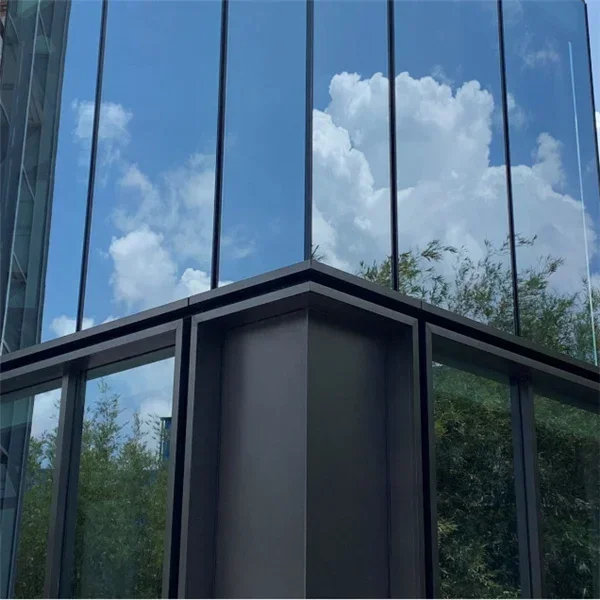
Unitized curtain walls have revolutionized the construction industry by streamlining the installation process and enhancing aesthetics. These pre-fabricated panels offer numerous benefits, including faster installation times, improved energy efficiency, and increased design flexibility.
The unitized system allows for seamless integration with other building components, resulting in a more efficient construction process. The panels are manufactured off-site under controlled conditions, ensuring high quality and precision. This not only reduces on-site labor requirements but also minimizes waste and potential errors.
Installation of a unitized curtain wall follows a simple yet effective process. Once delivered to the site as fully assembled units or modules, they are lifted into place using cranes or hoists. The interlocking nature of these panels ensures secure attachment while providing weather resistance. Skilled technicians then seal joints between units to create an air- and water-tight barrier.
There are different types of unitized curtain walls available in the market today to suit various project requirements. Some popular options include stick-built systems that require assembly on-site or semi-unitized systems which combine factory-made units with field-installed mullions.
Unitized curtain walls offer significant advantages over traditional construction methods when it comes to both efficiency and aesthetics. Their streamlined installation process saves time and reduces costs while allowing for limitless design opportunities. By harnessing this innovative technology in your next project, you can achieve stunning facades that seamlessly blend form with function.
FAMOUS Steel Engineering Co., Ltd. (FASECbuildings) focus on the 2D/3D Modeling Design Construction of various steel framed buildings, structural steel construction and building-related products supply like glass windows/doors, glass curtain walls etc. Under support of steel structural giant KNSN Group, FAMOUS received a lot of foreign projects from project Engineering, Fabrication, Construction, Logistic and Installation Guidance etc. and become more professional in foreign project operation, specially in US-EU standard engineering and project management aspects. If you need,welcome to [email protected]