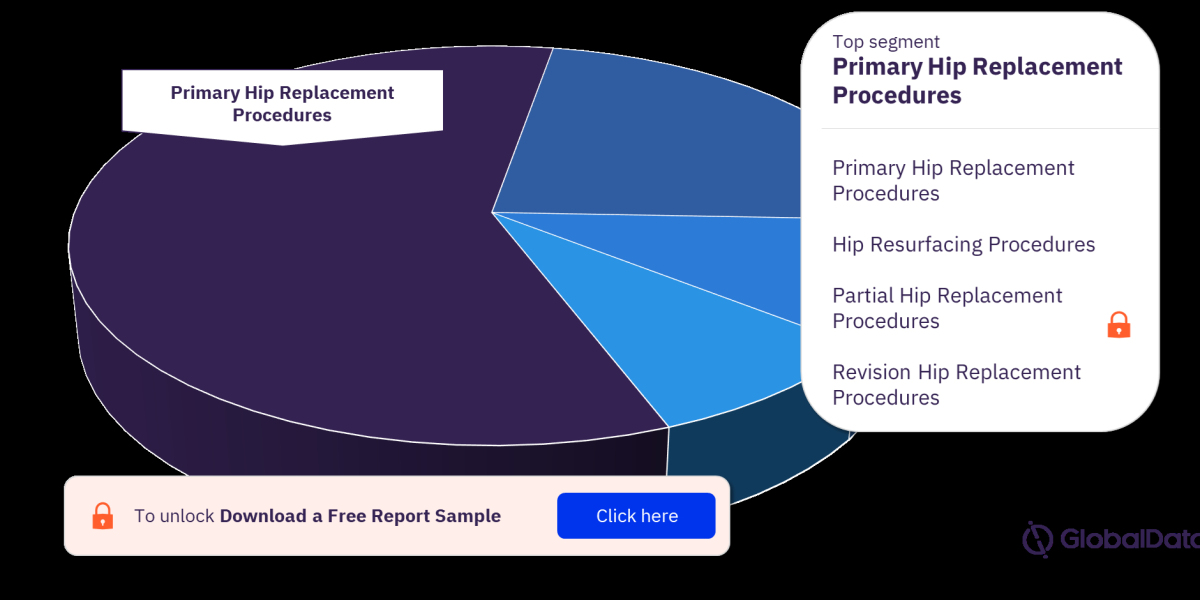
Welcome to our comprehensive guide on the Spain Hip Replacement Procedures Market, where we delve into the latest trends, advancements, and growth opportunities within this dynamic industry. As experts in the field, we aim to equip you with valuable insights into the rapidly evolving landscape of hip replacement procedures, devices, and market dynamics.
Understanding Hip Replacement
Hip replacement, also known as total hip arthroplasty, is a surgical procedure that involves replacing a damaged or diseased hip joint with an artificial implant. It is a highly effective treatment option for individuals suffering from severe hip pain and limited mobility due to conditions such as osteoarthritis, rheumatoid arthritis, or hip fractures. Hip replacement surgery aims to relieve pain, restore function, and improve the overall quality of life for patients.
Key Market Trends and Growth Drivers
The hip replacement market is experiencing significant growth, driven by various factors that are shaping the industry landscape. Let's explore the prominent trends and drivers propelling the expansion of this market:
1. Aging Population and Increasing Prevalence of Hip Disorders
The global population is aging, and with age comes an increased risk of hip-related conditions. The prevalence of hip disorders, such as osteoarthritis, avascular necrosis, and hip fractures, is rising. As a result, there is a growing demand for hip replacement procedures to alleviate pain, restore mobility, and enhance the overall quality of life for patients. The aging population, combined with the rising incidence of hip disorders, is a significant driver of market growth.
2. Technological Advancements in Implant Design and Materials
Advancements in implant design and materials have revolutionized the field of hip replacement. Manufacturers are constantly developing innovative implants that offer improved longevity, durability, and biocompatibility. Materials such as ceramic-on-ceramic, metal-on-metal, and metal-on-polyethylene have expanded the options available for surgeons and patients, allowing for better customization and enhanced patient outcomes. Furthermore, the incorporation of 3D printing technology has opened new avenues for personalized implants and surgical planning.
3. Minimally Invasive Techniques and Rapid Recovery Protocols
Minimally invasive surgical techniques and rapid recovery protocols have transformed the landscape of hip replacement surgery. These approaches involve smaller incisions, reduced tissue trauma, and faster post-operative recovery. Patients benefit from shorter hospital stays, reduced pain, and quicker return to daily activities. The adoption of these techniques has increased patient satisfaction and contributed to the overall growth of the hip replacement market.