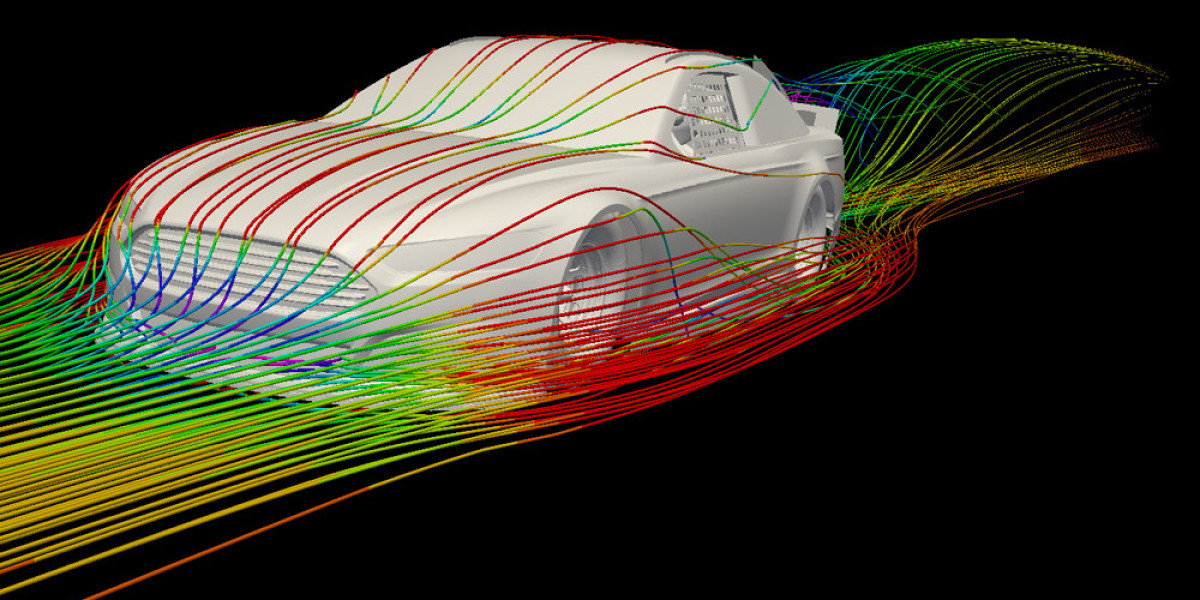
Another industry that greatly benefits from Computational Fluid Dynamics is aerospace. Whether it's designing aircraft, rockets, or drones, understanding the behavior of air and other fluids is crucial. CFD allows engineers to simulate airflow over wings, tailfins, and other components to optimize their shape and ensure stable flight. It also helps in the study of supersonic and hypersonic flows, aiding the development of advanced propulsion systems. By simulating the flow of air around the car's body, engineers can identify areas of high drag and develop innovative solutions to reduce it.
These simulations help improve fuel efficiency, increase top speeds, and enhance overall vehicle performance. Computational Fluid Dynamics is not limited to transportation-related applications; it has significant implications in the energy sector as well. From wind turbine design to optimizing the performance of power plants, CFD plays a pivotal role in the renewable energy industry. By accurately simulating the interaction between fluid and turbine blades, engineers can maximize energy extraction and improve the efficiency of wind farms.