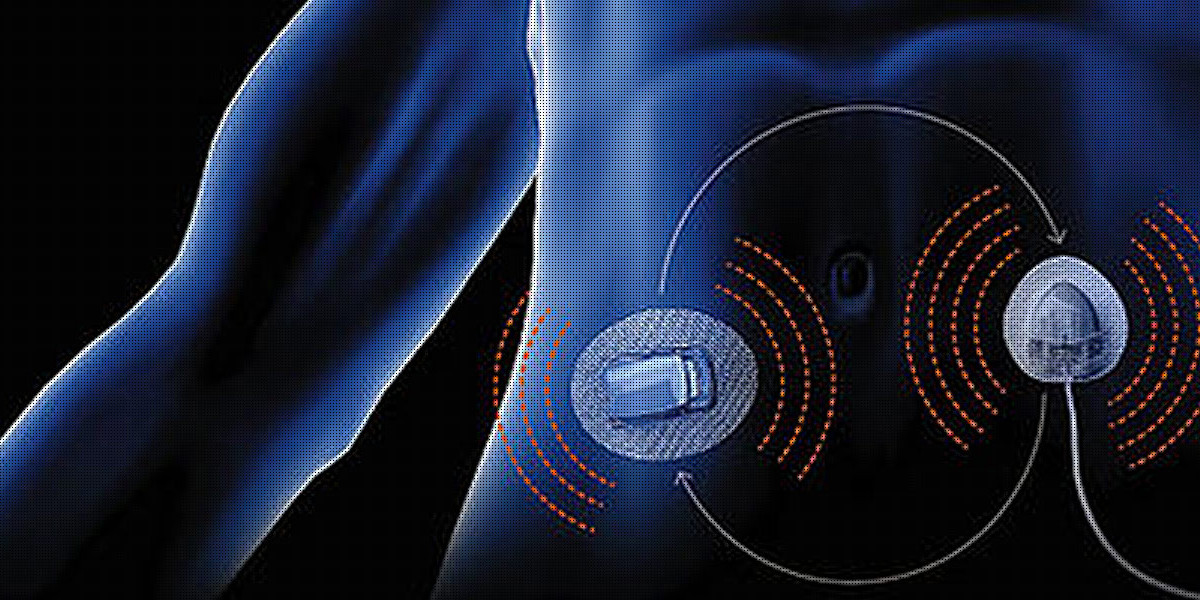
The incidence of type 1 diabetes (T1D), which affects 1.1 million children and young adults under the age of 20, is one of the world's health issues. T1D is a medical condition characterised by autoimmunity and the eradication of insulin-producing pancreatic cells. Maintaining blood glucose levels within the intended normal range is a therapy option. T1D patients may get once or twice daily multiple daily injections (MDI) of fast-acting and long-acting insulin to suit their bolus and basal needs. Additionally, insulin pumps allow people with T1D to receive numerous doses per day without experiencing injection pain. T1D patients have used a continuous glucose monitor (CGM) to monitor their blood glucose levels in addition to receiving insulin replacement therapy.
The majority of Artificial Pancreas Device System demand that you count and enter how many carbohydrates you eat each meal. These artificial pancreas devices are referred to as "hybrid" because part insulin is administered automatically and some is administered based on the data you supply. Since then, scientists have been attempting to create an "artificial pancreas" to provide insulin to people with type 1 diabetes, an autoimmune condition in which the body destroys its own capacity to produce insulin, leaving sufferers unable to effectively break down sugar.
To control blood sugar levels and prevent complications from diabetes, such as eye damage, kidney failure, and heart disease, people with the illness must regularly test their blood sugar levels and take insulin. Your blood glucose level is automatically tracked by an artificial pancreas, which also determines how much insulin you'll need during the day and administers it.
Read More:
https://cmihelloglow.blogspot.com/2023/05/the-features-of-diabetes-management.html