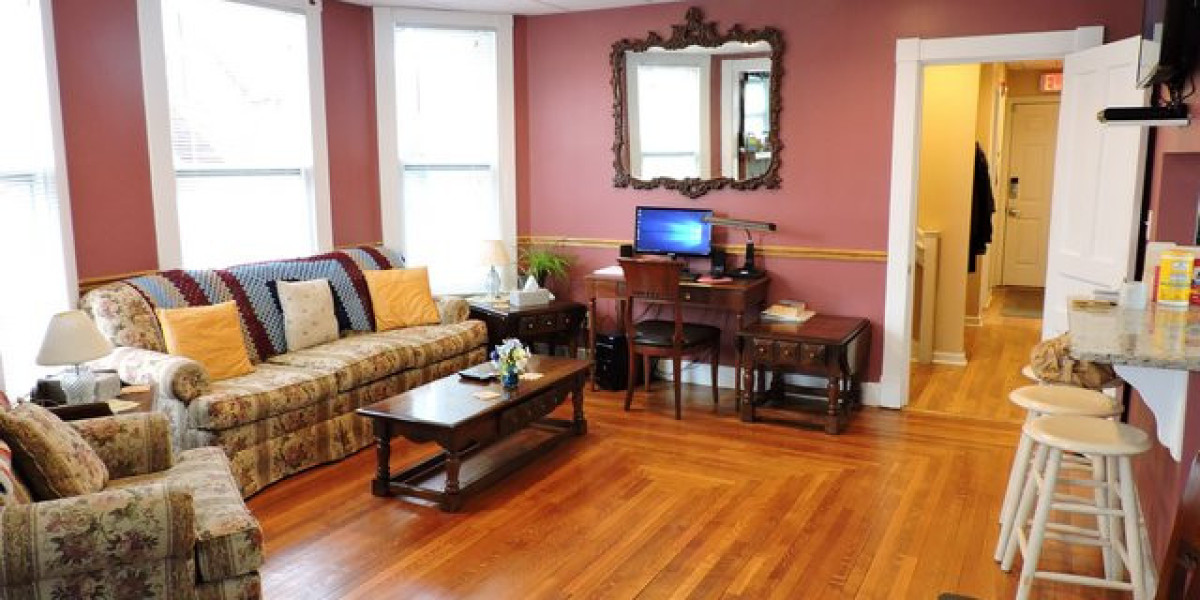
Sober Living is a support system for people whove recently finished treatment or are trying to recover on their own. It teaches people how to live independently and make healthy choices in a supportive environment.
The daily schedule at sober living includes a variety of activities. Mornings may include chores, house meetings or searching for employment.
Sense of Community
Those in recovery often feel isolated because they do not have the same social connections as their former drug-using friends. Fortunately, sober living communities offer the opportunity to form new bonds with other people in similar situations. These relationships often turn into lifetime friendships. They also help residents learn how to enjoy life without the use of drugs and alcohol.
In addition to providing a safe and supportive environment, sober homes typically have drug testing and rules that prohibit the use of drugs and alcohol. This helps residents to develop a strong foundation of accountability and responsibility, which is important for lasting success.
Sober living is a great way to ensure that you continue to make healthy choices throughout your life. Many people who enter sober living are referred by their treatment provider, mental health professional, Twelve Step meeting participants, or friends and family members. It is important to research sober living options thoroughly to find one that meets your specific needs and expectations.
24-Hour Staff Support
When individuals enter a sober living environment, they receive around-the-clock support from staff members. This may include helping them to find employment or other resources, assisting with drug testing and encouraging them to attend recovery-based groups.
High-quality sober living homes challenge the isolation that many individuals experience in early recovery. By doing so, they allow residents to develop healthy relationships with other individuals who prioritize their own sobriety.
Unlike halfway homes, sober living houses dont require that you have completed an addiction treatment program. They do, however, require that you stay sober and meet the houses financial obligations. Residents also receive a support group sponsor who helps keep them accountable and offers guidance in times of struggle. This can be a critical step in fostering lasting recovery. Moreover, SLHs provide a safe and supportive transitional environment between inpatient rehab or outpatient therapy and home life. This can help reduce relapse rates. Additionally, SLHs have a low resident-to-clinical-staff ratio, which increases accountability and bolsters recovery outcomes.
Life Skills Development
Life skills are abilities that allow you to navigate daily life in a healthy way. They can include everything from coping with stressors to making healthy choices about diet and exercise. They also include communication skills that can help you mend relationships damaged by addiction and improve your ability to express yourself.
Addiction can take away many of your life skills, and recovery focuses on giving you back as much as possible. Living in a sober living home or transitional house gives you the structure that you need to build those important skills.
Residents live with other people who are in recovery, and they may participate in activities like counseling sessions and support groups. They also learn to identify triggers and develop a plan of action for managing cravings and urges. This is an essential step towards achieving long-term sobriety. It can also help you feel more confident in your own abilities and rebuild your self-esteem.
Long-Term Recovery
The structure and support that sober living provides allows individuals to build a healthy foundation for recovery. They can learn how to manage their own lives and relationships, while establishing a sense of purpose and achievement. It is also a chance to develop new friendships with like-minded people who will provide encouragement and accountability.
In addition to providing a safe and supportive environment, sober living homes typically enforce rules that promote a drug-free lifestyle. These rules may include a zero-tolerance policy, curfews, and regular attendance of 12-step meetings. Often, these rules are enforced by a group or committee of residents.
Anyone who is seeking long-term recovery from addiction can benefit from sober living. It can help you distance yourself from friends who encourage your substance abuse and rebuild your health, both physically and mentally. In the process, you can build a new life that is free from addictive drugs and alcohol. This is the first step to a happier, healthier, and more fulfilling future.