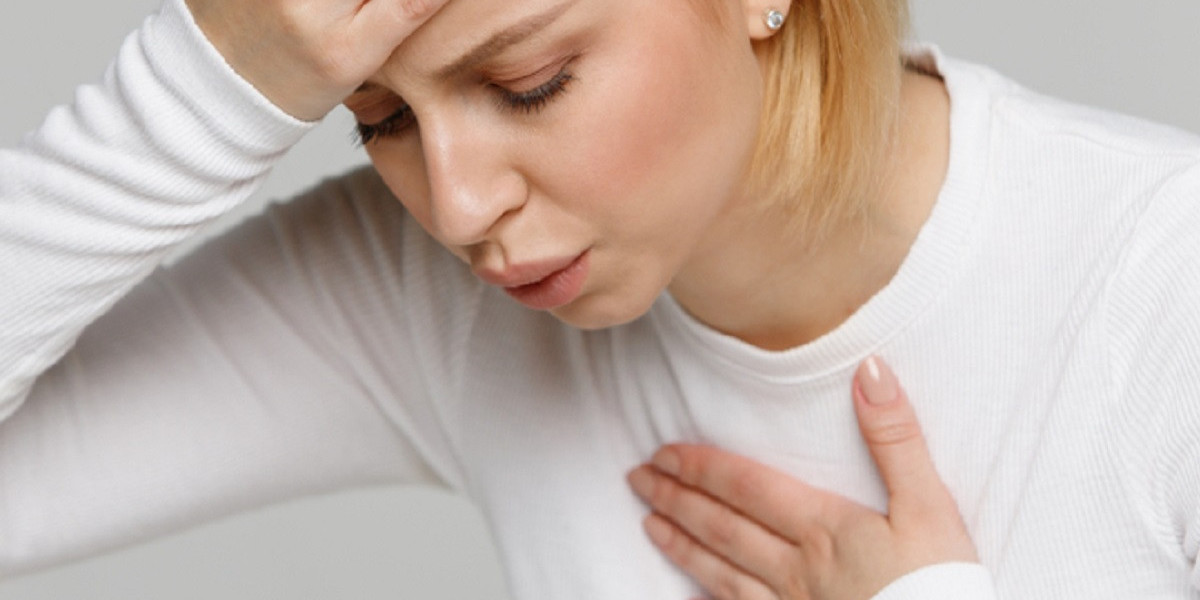
During a panic attack, a person may experience intense fear that is sudden and unprovoked. These symptoms can last for 5 to 20 minutes or longer, and they can feel very frightening.
If you are worried that you are experiencing a panic attack, talk to your doctor. They can help you learn how to cope and reduce the frequency of your attacks.
Breathing
When you have a panic attack, it can be hard to breathe. You may try to take quick, shallow breaths, which can make you feel worse.
Thankfully, breathing is one of the most effective things you can do to help calm your anxiety. It can also help you control your heart rate and decrease some of the symptoms that you're experiencing during an attack.
The key is to practice breathing exercises that reduce hyperventilation and increase oxygen flow to your brain. Some techniques you can try include 4-7-8 breathing, Lion's breath, and alternate nostril breathing.
If you're with someone who is having a panic attack, it can be helpful to teach them some of these techniques. It can also be a good idea to encourage them to sit down and focus on their breathing.
Heart palpitations
Heart palpitations are a common symptom of panic attacks. Its important to understand these symptoms so that you know what to look out for, and to seek help if necessary.
Usually, anxiety-induced heart palpitations subside on their own without medical intervention unless they last longer than 20 minutes or are accompanied by chest pain, shortness of breath, dizziness or other symptoms. But if you have a history of heart disease or are having frequent or severe palpitations that cause difficulty breathing, contact your doctor as soon as possible to determine the origin of your symptoms.
Getting more exercise is also helpful, as its known to reduce stress levels and improve overall health. But Dickson cautions that its important to talk to your doctor before starting any new activity routine to make sure your heart is healthy enough to handle it.
Chest pain
During panic attacks, your body's stress responses (also called the 'fight or flight' response) can cause chest pain. This pain is often sharp and can come on suddenly, as a catch in your breath that interrupts your normal breathing.
It can also be a squeezing, crushing pain that can feel like a 'heart attack' - a 'heavy, aching' feeling that radiates out from your chest to your shoulders and arms.
This type of pain can be a major symptom for people who have anxiety disorders or panic disorder. It can be a big worry and cause people to avoid activities that may make them feel anxious.
Fortunately, the pain and other symptoms associated with anxiety and panic attacks are not usually caused by something life-threatening. However, if you experience chest pain that feels a lot like a heart attack, then it's important to seek medical attention right away.
Fear of choking
During panic attacks, it can feel as though you're choking, even if there's nothing in your throat that's causing this feeling. Usually, this is a normal reaction to fear and it doesn't represent any real danger.
If you have this feeling, it's important to talk to a doctor and get help. It can be a sign of an anxiety disorder and may require treatment.
Pseudodysphagia, or the fear of choking, is an irrational and phobia-like condition that causes people to believe they will choke and die if they try to eat solid foods. The condition can lead to severe weight loss and interfere with a person's day-to-day life.
In most cases, this irrational fear of choking is the result of an unresolved mental health problem like depression, anxiety disorder or panic disorder. Therapists usually treat pseudodysphagia with a combination of behavioral therapy and medication. This can include exposure therapy, hypnotherapy or eye movement desensitization and reprocessing (EMDR). The goal is to confront your fears and learn how to control them so you can move on with your life.