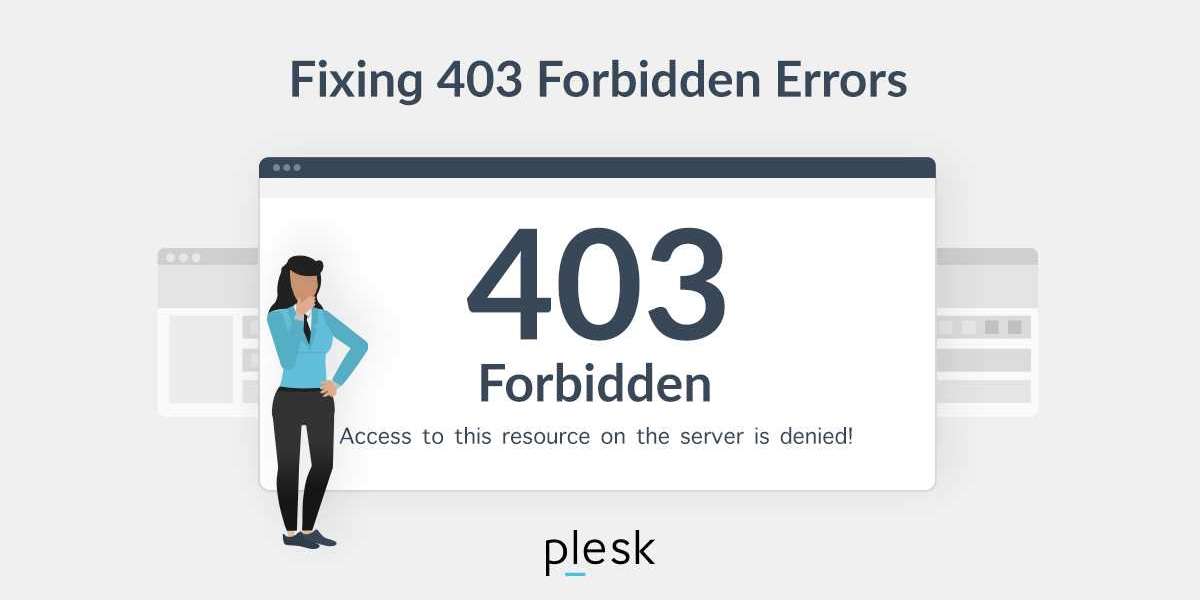
The HTTP status code 403 Forbidden – you don't have the authorization to access this resource occurs when the web server recognizes the request but cannot provide you with more access. When you access an empty website directory or a specific page with a permission error, this can happen.
If you or your visitors discover this error on your site, you must resolve the problem immediately or risk losing valuable traffic. The 403 prohibited error can be resolved in various ways due to its various sources. But first, you should know what is a 403 error.
As a result, we'll go over the many forms of HTTP 403 forbidden errors, their likely causes, and solutions for fixing the 403 forbidden error.
What does Error 403 indicate?
The most common cause of 403 errors is a problem with page access settings. Some rights are required to go successfully, but minor errors can occur, particularly during the system's installation.
The issue is also known as HTTP Error 403: Forbidden. The server determines the message you receive:
- Your client does not have permission to access the server's URL/intl.
- There is no way to get in.
- You are not authorized to approach the server.
- Administrative guidelines prohibit the request.
You'll most likely spend more time pondering what went wrong than really resolving the problem. Regardless, let's look at some of the likely causes of a 403 prohibited error.
What produces a 403 Forbidden error?
Even if the HTTP status codes sent by the page are correct, the server can nevertheless refuse access to a URL if the data is incompatible with maintaining the communication thread.
That "common error" can help you figure out what's wrong with your website's settings — in other words, the server understands your requests but doesn't execute them because you don't have the appropriate rights. This is by far the most prevailing cause of HTTP Error.
It's also possible that you didn't correctly protect a directory or list of files in that folder, a.htaccess file is broken, or a plugin isn't functioning correctly.
Methods of Fixing 403 Error
- Reload the page
It's always worth a try to refresh the page. Often, the HTTP errors are only transitory, and a quick refresh will solve the problem. To refresh, most browsers employ Ctrl+R on Windows or Cmd+R on Mac, as well as a Refresh button in the URL bar. It doesn't always solve the problem, but it only takes a second to try.
- Make sure the address is correct.
A mistyped URL is the most typical cause of a 403 error. Make sure you're trying to access a web page or file, not a directory. A specific URL would end in.com,.php,.org,.html, or have an extension, whereas a directory URL would usually end in "/."
For security concerns, most servers are set up to prevent directory browsing. You'll be redirected to another page once they've been correctly configured. You might get a 403 error if they aren't.
- Clear the Cookies and Cache in Your Browser
It's also conceivable that the error page has been cached in your browser, but the website's actual link has changed. You'll need to erase your browser's cache and cookies to try this possibility. This is the best method of how to fix 404 error page not found.
Although clearing the cache will have little effect on your surfing experience, some websites may take a few seconds longer to load as they re-download all previously cached data. Most websites will want you to sign in again if you clear cookies.
- Verify that you have permission to visit the URL
If you're attempting to access a website that requires you to log in before viewing the material, this could be the source of the problem. Typically, servers will display an error message informing you that you must be logged in to access the information.
However, some servers with incorrect configurations may return a 403 error. If feasible, try logging into the website to check if the issue has disappeared.
- Later, try again
You can always stand by a while and come back later if none of the basic options we've discussed so far work. Because problems with the website in question usually trigger 403 Errors probably, someone is already working on the issue. This is how to fix 404 error on google.
- Get in touch with the webmaster.
Another alternative is to contact the website's owner personally. Contact them about the page in question by looking up their contact information on the website. If there isn't a contact form on the website, you might contact them through social media. In the above paragraphs, you have seen what is a 403 forbidden error.
- Contact your Internet Service Provider (ISP)
If you can prove that the website in question is accessible to others but not to you, likely, your ISP's public IP address (or your entire ISP) has been blocked for some reason. You might try calling them and informing them of the issue. Although it's not a likely answer, they might be able to assist.
- Remove your VPN connection.
If you try to connect to a website over a VPN, you will see a HTTP status 403 forbidden error notice. If you suspect this is the issue, turn off your VPN and try connecting to the website again. (If you're not familiar with virtual private networks, you're probably not using one right now.)
Because not every website blocks every VPN server, you should consider moving to a different server supplied by your VPN service—or switching to a new VPN service entirely.
Conclusion
A 403 prohibited error notice can be pretty aggravating since it prevents you from visiting a website or web page. Incorrect file permissions are the most common problem, although a few other possibilities exist, such as a missing index page, a defective plugin, or even malware infection. It can be challenging to figure out what's causing the 403 error. Above, you have seen what is 403 forbidden and how to fix a 403 error , and you have found a lot of information about the error.