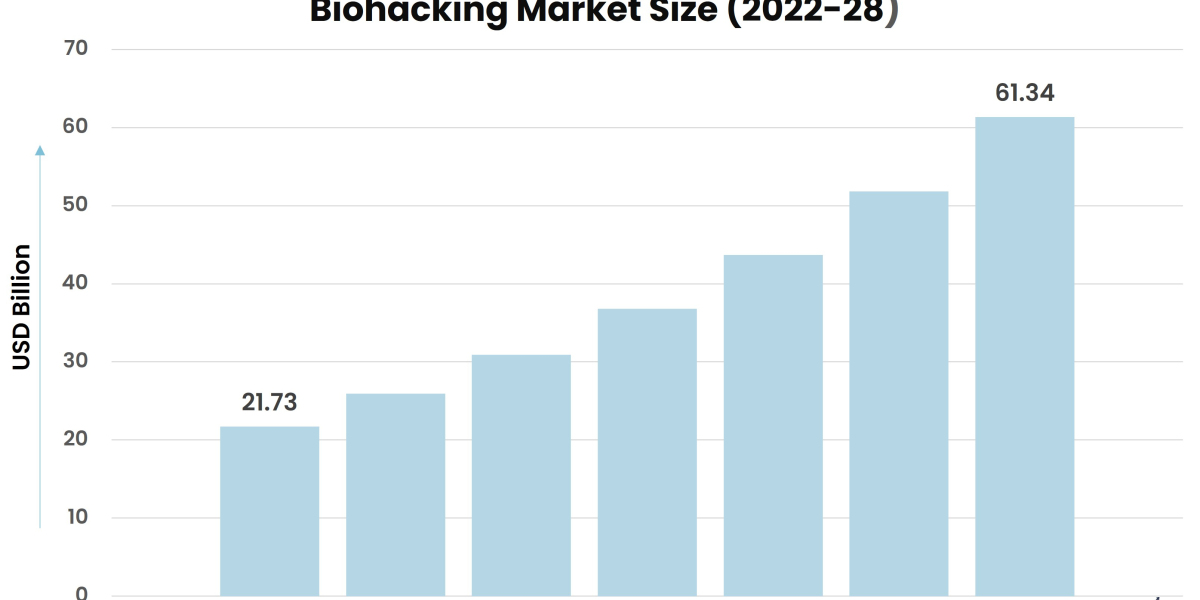
According to Stratview Research, the biohacking market was estimated at USD 21.73 billion in 2022 and is likely to grow at a CAGR of 18.80% during 2023-2028 to reach USD 61.34 billion in 2028.
The world of biohacking is as diverse as it is intriguing, with enthusiasts employing a wide range of techniques to optimize their health, performance, and well-being. From do-it-yourself (DIY) methods to cutting-edge high-tech solutions, biohackers are exploring innovative ways to take control of their biology. In this article, we'll explore the diverse world of biohacking techniques, from grassroots experimentation to advanced technologies.
DIY Biohacking
Nutritional Optimization: Many biohackers start with the basics by fine-tuning their diets. This may involve customized meal plans, tracking macronutrients, and experimenting with intermittent fasting or specific dietary protocols like the ketogenic diet.
Intermittent Fasting: Fasting regimens are popular among biohackers, with methods such as time-restricted eating (e.g., 16/8 fasting) and extended fasts aimed at optimizing metabolism, weight management, and longevity.
Supplementation: DIY biohackers often experiment with dietary supplements, including vitamins, minerals, and nootropics (cognitive enhancers). These substances are chosen based on individual goals and research.
Cold Exposure: Cold showers, ice baths, and cryotherapy are accessible and budget-friendly biohacking techniques that are believed to boost metabolism, reduce inflammation, and improve resilience to stress.
High-Tech Biohacking
Wearable Technology: The integration of wearable devices like fitness trackers and smartwatches has brought advanced biohacking to the masses. These devices monitor heart rate, sleep patterns, physical activity, and more, providing real-time insights for optimizing health and performance.
Genetic Testing: Advances in genetic testing allow biohackers to analyze their DNA to uncover insights into their unique genetic makeup. This information can guide personalized health decisions, such as tailoring nutrition and fitness plans to genetic predispositions.
Biofeedback and HRV Training: High-tech biohacking includes using biofeedback devices that measure heart rate variability (HRV). HRV training helps individuals regulate their stress responses and improve emotional well-being.
Nootropics and Smart Drugs: Some biohackers explore cognitive enhancers known as nootropics. These substances, often backed by scientific research, aim to improve focus, memory, and mental clarity.
Biometric Sensors: Implantable biometric sensors, while less common, are on the horizon for high-tech biohackers. These devices can continuously monitor physiological parameters and transmit data to external devices for analysis.
Advanced Techniques
DIY Laboratories: Some dedicated biohackers set up their own laboratories for in-depth experimentation and analysis. They may run tests on biomarkers, conduct genetic research, or develop custom supplements.
Cybernetic Implants: Advanced biohackers explore the world of cybernetic implants, such as microchips or RFID (Radio-Frequency Identification) devices implanted under the skin for various purposes, including access control or monitoring health metrics.
DIY Medical Devices: Biohackers with technical skills may design and build their medical devices, such as home-based diagnostic tools or advanced monitoring systems.
Ethical Considerations
While biohacking offers exciting possibilities, it raises ethical considerations. Safety is paramount, as DIY experimentation can carry risks. Ethical biohackers emphasize responsible experimentation, informed consent, and adherence to legal and regulatory frameworks. The development and use of advanced technologies also bring concerns related to privacy, security, and potential misuse.
Conclusion
The world of biohacking is a diverse and dynamic one, with techniques ranging from simple and accessible DIY methods to cutting-edge high-tech solutions. Whether through optimizing nutrition, exploring wearable technology, or delving into genetic testing, biohackers are united by their desire to enhance their health, well-being, and performance.
As technology continues to advance and our understanding of human biology deepens, the field of biohacking will likely become even more diverse and sophisticated. Whether you're interested in biohacking for self-improvement or simply curious about the possibilities, the world of biohacking offers a fascinating journey into the limitless potential of human biology and technology.