Australia, known for its vast landscapes and unique wildlife, is also home to a remarkable array of native plants. From the expansive deserts to the lush rainforests, Australia's diverse ecosystems harbor a wealth of botanical wonders. These native plants have adapted to the harsh climate, creating a stunning tapestry of colors, shapes, and textures. Join us as we embark on a journey to discover the beauty and significance of Australian native plants.
Adaptation to Harsh Environments
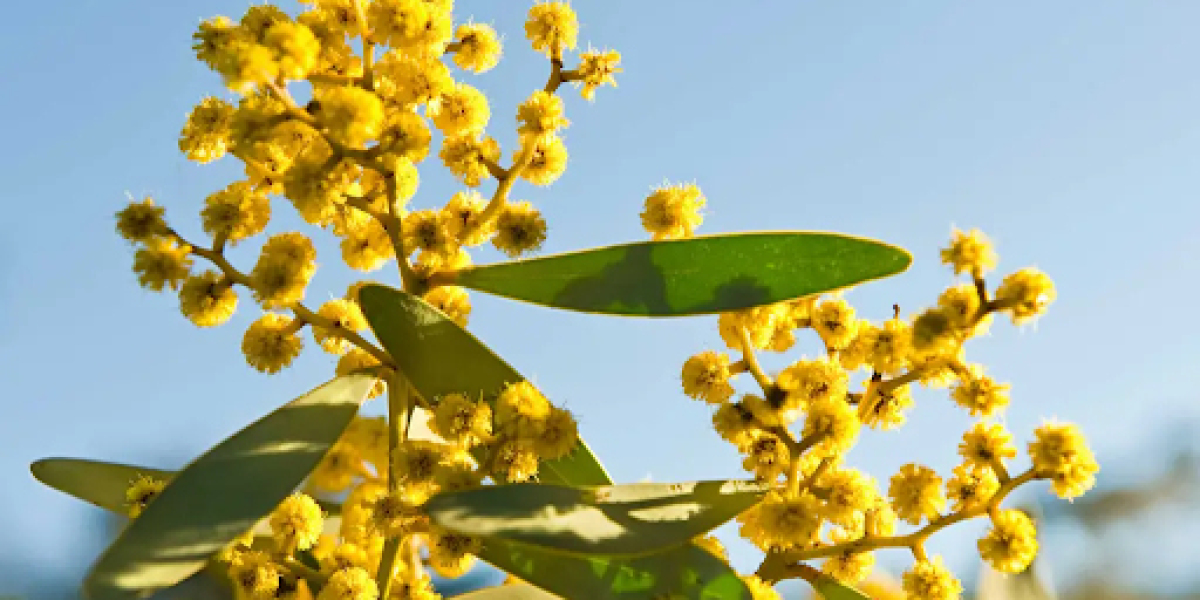
One of the most remarkable aspects of Australian native plants is their ability to thrive in diverse and often challenging environments. The continent's arid regions are inhabited by resilient species such as the iconic eucalyptus trees, known for their ability to survive in low-water conditions. The iconic Acacia species, commonly known as wattles, display striking yellow blooms and have adapted to survive in sandy soils and dry conditions. These remarkable adaptations enable Australian native plants to flourish in climates where other species struggle to survive.
Biodiversity and Endemism
Australia's isolation from other landmasses for millions of years has contributed to its unique biodiversity. Many of the native plants found in Australia are endemic, meaning they are found nowhere else on Earth. The country boasts over 24,000 plant species, with a significant percentage being native. From the ancient Wollemi pine, discovered in the Blue Mountains of New South Wales, to the vibrant kangaroo paw flowers found in Western Australia, these plants hold immense ecological and cultural value, as well as providing habitats for a myriad of wildlife.
Cultural Significance
Australian native plants have played a significant role in the culture and traditions of Indigenous Australians for thousands of years. These plants have been used for food, medicine, tools, and ceremonial purposes. The leaves of the tea tree (Melaleuca alternifolia) were historically used to make a healing tea, while the flowering banksia plants attracted nectar-feeding birds and provided a food source. The boomerang-shaped leaves of the eucalyptus tree have been used in traditional ceremonies, symbolizing resilience and strength. Today, the appreciation for native plants extends to the wider Australian community, with many gardens and public spaces showcasing the beauty and diversity of these unique species.
Conservation Efforts
Preserving Australia's native plants is crucial for maintaining the country's biodiversity and ecological balance. With the increasing threat of climate change, habitat loss, and invasive species, conservation efforts have become more important than ever. Numerous organizations and botanical gardens are dedicated to preserving and propagating Australian native plants. Seed banks collect and store seeds for future use, ensuring the genetic diversity of these species. Additionally, initiatives are underway to restore native habitats, protect endangered species, and promote sustainable gardening practices that incorporate native plants.
Australian native plants that are commonly used in home gardens
Kangaroo Paw (Anigozanthos spp.): Known for its unique flowers that resemble a kangaroo's paw, this plant comes in various vibrant colors and adds a striking visual appeal to any garden.
Grevillea (Grevillea spp.): With its vibrant and bird-attracting flowers, Grevillea is a versatile plant that comes in many different sizes and forms, from ground covers to shrubs and trees.
Bottlebrush (Callistemon spp.): This iconic Australian plant features cylindrical flower spikes that resemble a bottlebrush. It attracts birds and adds a burst of color to the garden with its bright red, pink, or yellow flowers.
Banksia (Banksia spp.): With their unique cone-shaped flower heads, Banksias are a favorite among gardeners. These plants provide food and shelter for birds and are available in a range of sizes, from low-growing shrubs to small trees.
Wattle (Acacia spp.): Wattle, or Acacia, is the national floral emblem of Australia. It is known for its golden-yellow blossoms and diverse range of species. Wattle plants are often used in gardens for their beautiful flowers and attractive foliage.
Tea Tree (Melaleuca spp.): Tea Trees are a group of plants known for their aromatic leaves and flowers. They are often used as shrubs or small trees in gardens and are renowned for their medicinal properties and essential oil production.
Eucalyptus (Eucalyptus spp.): Eucalyptus trees are an iconic symbol of the Australian landscape. They come in various sizes, from tall forest giants to small decorative shrubs. Eucalyptus trees provide shade, attract wildlife, and are valued for their distinctive fragrance.
Conclusion
The captivating beauty and ecological significance of Australian native plants makes them a cherished part of the country's natural heritage. From appreciating them at plant nurseries to incorporating these plants into our lives, we contribute to the preservation of Australia's rich botanical legacy for generations to come.